The short list
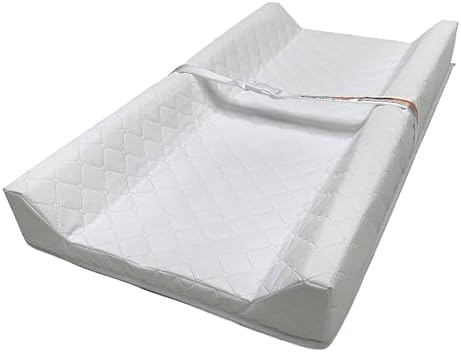
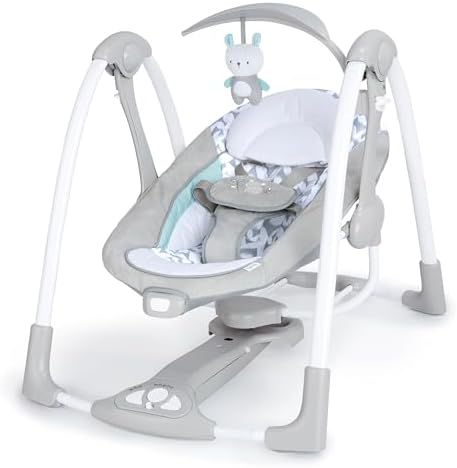
Somewhere flat and firm to sleep, somewhere safe to put the baby down while both hands are busy, somewhere to change them, and a way to wash them. That is the whole first month. A bassinet, a bouncer or a swing, a changing pad, and a tub.
Everything else in this catalogue is bought for a child who does not exist yet: one who sits, reaches, eats solids, or walks.
Why so little of it is age zero
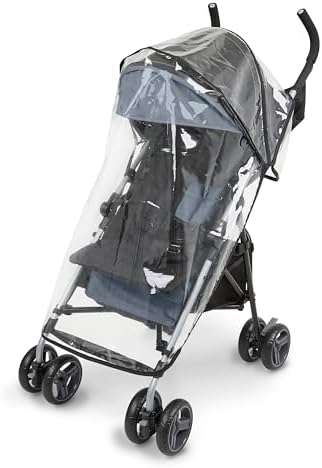
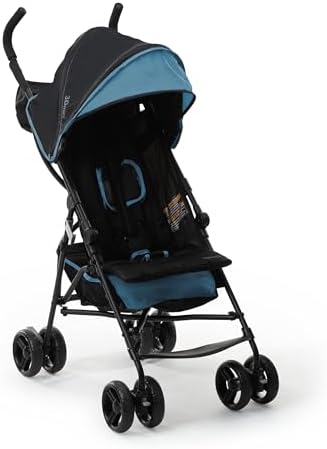
A newborn cannot hold their head up, cannot sit, cannot grip, and cannot see much past a foot away. High chairs, activity centers, boosters, and potties are all answers to abilities that arrive months later. Buying them early does not save money, it just moves the storage problem forward.
The stage lists here exist for exactly this. The first weeks list is short on purpose, and it should be.
What to look at on the pieces you do buy
For the first weeks specifically: how far the seat reclines, whether there is a head and body insert and whether it comes out later, how the harness adjusts, and whether the cover comes off. A newborn generates laundry at a rate nobody warns you about, and a cover that has to be sponge cleaned is a cover you will resent.
The pieces worth buying twice as large
If something is going to be bought once and kept, it is the piece with a limit high enough to cross into the sitting stage. Those are collected separately here, and they are the only place in the catalogue where paying more usually pays back.
The short version
- The first eight weeks use roughly four pieces of gear.
- Recline, insert, harness, and a removable cover are what matter early.
- High chairs and activity centers answer abilities that arrive later.
- Newborn inserts usually come out, which extends the useful window.