What actually differs
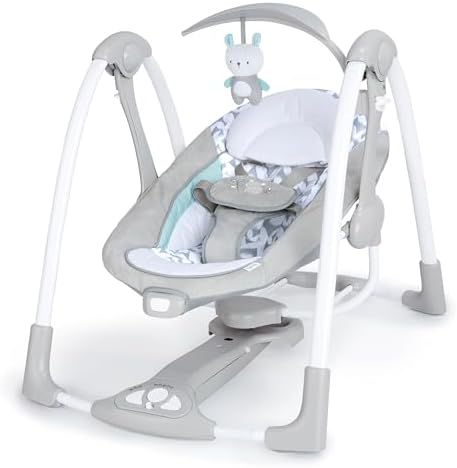
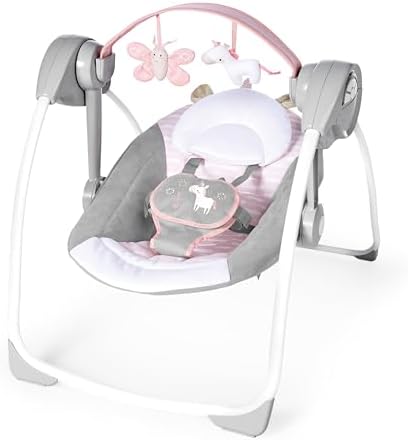
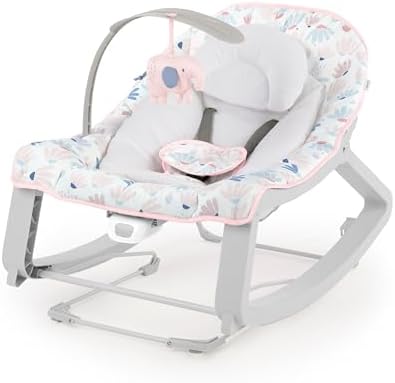
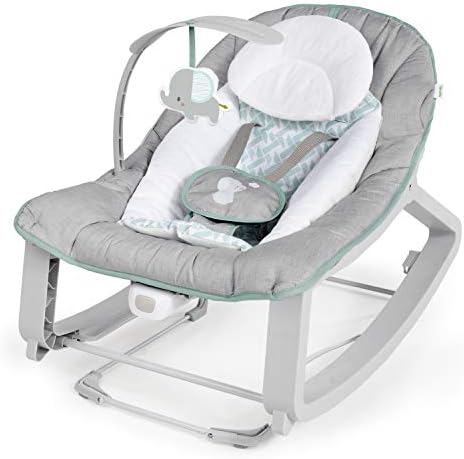
A swing moves the seat along a fixed track using a motor, plugged into an outlet or on heavy batteries. A bouncer sits on a curved steel wire that flexes when the baby kicks or when somebody nudges it with a foot. That single difference decides the power bill, the weight, the footprint, and where the thing can live.
It also decides what happens when the motor stops being interesting. A swing that the baby has stopped responding to is a large object on the carpet. A bouncer that the baby has stopped responding to is a seat, which is still useful.
The case for a swing
If there is a reliable fussy hour and nothing else touches it, motion that continues without anybody working for it is worth the floor space. Swings also hold a younger baby steadier than a bouncer does, which matters in the weeks when the head still needs support.
The costs are real: a wide stance on the rug, a cord to route away from small hands or a set of batteries that will need replacing, and a piece that does not travel.
The case for a bouncer
Nothing to plug in, a few pounds in one hand, and it goes to the bathroom doorway while somebody showers. For a small apartment this is usually the correct answer, and it is the cheaper of the two by a wide margin.
The trade is that the motion depends on the baby or on a spare foot. A newborn who cannot yet kick gets very little out of the frame on their own.
Buying both, and why people do
A fair number of households end up with a swing for the evening and a bouncer for everywhere else, and it is not as extravagant as it sounds given how little a bouncer costs. If the budget only stretches to one and the apartment is small, the bouncer is the safer purchase. If the evenings are the problem, the swing is.
The short version
- A swing runs on a motor; a bouncer runs on the baby.
- Full size swings need an outlet or heavy batteries in the base.
- A bouncer weighs a few pounds and carries in one hand.
- Both end at the same signal: the child pushing up on their hands.