Measure the fold, not the piece
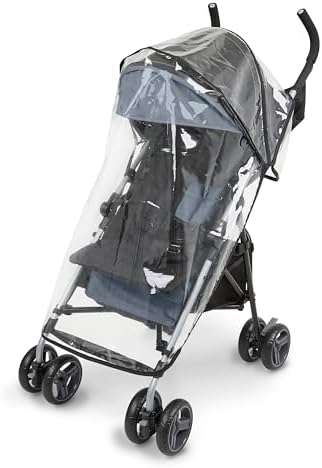
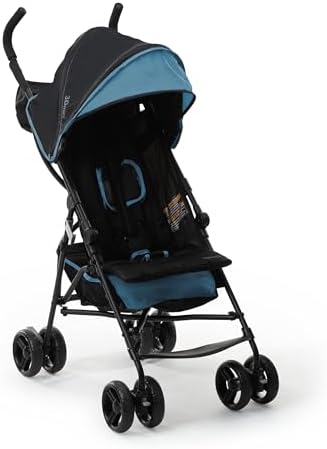
Every listing gives assembled dimensions and most people compare those. In a small apartment the number that decides everything is the folded one, and specifically whether the folded shape stands up behind a door or has to lie down across a hallway. Where the maker printed a size, it is on the card here.
A frame that folds flat can be put away nightly, which means it can be bigger when it is open. A frame that does not fold has to be small enough to live where it stands, permanently.
One piece doing two jobs
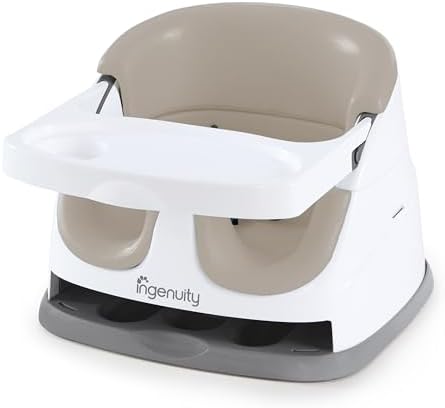
Convertible hardware is worth more per square foot than anywhere else. A seat that becomes a booster, or a frame with a high enough limit to cover two stages, replaces a second object that would otherwise need somewhere to be.
The catch is that convertibles cost more up front and are usually heavier, so they are the wrong answer if the piece also has to travel.
What to skip when the room is small
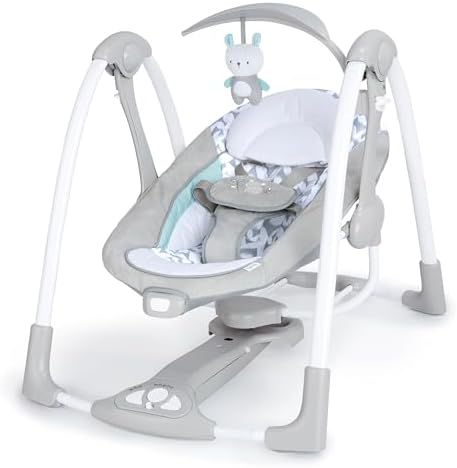
Full size swings take a wide stance and do not fold. Large activity centers have a fixed diameter and a short useful window. Both are excellent pieces of hardware and both are the first things to regret in a one-bedroom apartment.
The usual substitutions are a portable swing, a wire bouncer, and a play mat that rolls. None of them is as good at the specific job, and all three disappear when they are not in use.
Storage is part of the purchase
Decide where a piece will live when it is folded before it arrives, not after. The gear that gets used is the gear that is easy to put away, and the gear that ends up in a hallway is the gear that was two inches too wide for the closet.
The short version
- Folded size decides more in a small apartment than assembled size does.
- A frame that stands up folded is worth more than one that lies down.
- Convertibles buy floor space and cost weight and money.
- Full size swings and large activity centers are the first regrets.